
Preservation Crisis: Who Will Save the Lost Era of Myspace Music?

The Day Twelve Years of Indie Music Vanished Overnight

In March 2019, a routine server migration became one of the most consequential preservation failures in modern music history. Myspace confirmed that content uploaded before 2016 had been lost, including more than 50 million tracks associated with roughly 14 million artists. The deletion was traced to a faulty migration process, and the company eventually acknowledged that the files were not recoverable. Years of demos, profiles, photographs, videos, and songs disappeared without a final export window or a reliable recovery path.

That loss hit a particularly important cultural layer. During the mid-2000s, Myspace was not simply a social network with an audio player attached. It was a discovery engine for underground scenes, a digital press kit for unsigned acts, and a direct line between artists and listeners. Indie rock bands could build an audience before traditional media noticed them. Early modern hip-hop artists could test tracks, cultivate regional followings, and communicate with fans without waiting for a label or radio programmer.

The deeper shock was not only the number of files erased. It was the realization that a platform central to contemporary music culture could hold so much history without being obligated to preserve it. When artists depend on a third-party hub, their catalogues can become vulnerable to migration errors, policy changes, acquisitions, litigation, and simple neglect. A vital scene can generate years of creative momentum, then become digital dust when the company controlling the server changes direction.

The 2019 Great Wipe and the Fragility of Modern Web Archives

The Myspace incident followed an earlier warning. The platform”s 2013 relaunch had already erased much of its text content, forcing many bands to rebuild pages and communities. The later migration failure went further, removing audio and other media uploaded before 2016. Myspace initially described the disappearance as temporary, but subsequent communication with online archivists made the permanent nature of the loss clear.

This is how digital decay often works. Physical media can deteriorate gradually, allowing archivists to identify a problem and prioritize treatment. Digital material can remain apparently available until a database migration, domain change, broken authentication system, or discontinued storage service makes it inaccessible in a single operational decision. A missing file may have no visible residue beyond a dead player, an empty profile, or a link that no longer resolves.

The scale of the wider problem is measurable. A Pew Research Center study cited by the BBC”s reporting on digital history found that 25 percent of web pages posted between 2013 and 2023 had vanished. Older pages were even more vulnerable, while broken links also affected government information and references in Wikipedia. The pattern shows that web history does not disappear only when an entire platform closes. It also dissolves through routine maintenance failures and unmanaged dependency.

  • Platform deletion: a company removes files, closes a service, or loses material during a migration.
  • Link rot: pages remain referenced but no longer lead to the original content.
  • Format and software obsolescence: files survive physically but become difficult to open or interpret.
  • Context loss: audio remains available without the artist biography, release date, credits, artwork, or scene documentation that gives it meaning.

The Internet Archive has become a major informal response, but even a large nonprofit institution is not an indestructible vault. Its work faces rising infrastructure costs, copyright litigation, cyberattacks, and technical disruption. The lesson is uncomfortable but essential: concentrating preservation in one famous archive creates another potential single point of failure. Digital history needs distributed stewardship, with artists, fans, libraries, researchers, and institutions each retaining meaningful copies.

Reconstructing the Underground via Rogue Archivists and Academic Consortia

After the Myspace wipe, online communities turned into data archaeologists. Fans searched old hard drives, downloaded cached files, compared tracklists, contacted former band members, and circulated requests for surviving MP3s. These efforts rarely followed a central plan. They emerged through forums, private collections, scene networks, and archive-minded volunteers who understood that a forgotten file might be the only surviving record of a local band, a short-lived collaboration, or an unreleased recording.

Grassroots recovery has a strength that formal institutions sometimes lack: cultural fluency. A volunteer who knows a regional punk scene may recognize a vocalist, venue, label abbreviation, or alternate spelling that makes a file identifiable. Yet ad-hoc preservation also creates risks. Files may be renamed incorrectly, duplicated without provenance, compressed repeatedly, stripped of metadata, or placed in a service that later disappears. The challenge is to preserve both the sound and the evidence surrounding it.

Institutional practice offers a more systematic model. The Library of Congress digital preservation guidance emphasizes content ingest, storage monitoring, sustainable formats, metadata, validation, and preservation planning. Its resources include format sustainability information, packaging tools such as BagIt, and metadata frameworks including PREMIS. These methods do not replace community knowledge. They give that knowledge a durable technical structure.

Approach Strength Primary risk
Volunteer scraping Fast response and strong scene awareness Inconsistent naming, provenance, and backup practices
Artist-held archives Direct access to masters, credits, and context Single-person failure, hardware loss, or incomplete cataloging
Academic consortium Documented workflows, institutional storage, and research access Funding cycles, permissions, and slower intake
Public digital repository Broad discovery and long-term cultural visibility Legal constraints, operating costs, and dependence on infrastructure

The most effective model combines these layers. Fans can locate surviving material, artists can verify ownership and context, and archives can ingest files with checksums, technical descriptions, and controlled access rules. Projects preserving college and community radio materials demonstrate the value of this hybrid approach. Audio, playlists, zines, DJ notebooks, posters, and newsletters together reveal a scene more completely than isolated songs ever could.

Why Cloud Streaming Platforms Are Not Permanent Vaults

Spotify, SoundCloud, Apple Music, and similar services are powerful distribution channels, but distribution is not preservation. They optimize for discovery, playback, recommendation, rights management, and audience analytics. Those functions matter for release strategy and streaming traction, yet they do not guarantee that an artist”s original files, session data, artwork, liner notes, or historical versions will remain available for decades.
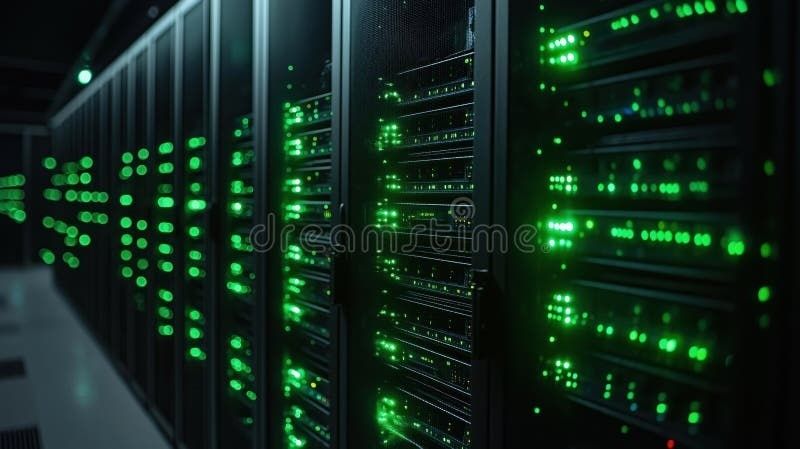
Rows of server racks glowing with green indicator lights in a data center
Digital distribution can expand an artist”s reach, but lasting custody still depends on independent copies, documented metadata, and resilient preservation practices.

Licensing disputes can remove a recording from a territory or from an entire service. A platform can change its terms of service, alter royalty arrangements, discontinue an upload feature, or decide that older material no longer justifies hosting costs. An account may also be compromised, suspended, or abandoned. Even when the audio remains online, a platform redesign can break the surrounding context that made the release culturally legible.

  • Rights instability: samples, collaborations, publishing claims, and territorial agreements can interrupt access.
  • Business volatility: mergers, acquisitions, layoffs, and cost-cutting can change preservation priorities overnight.
  • Technical dependence: artists rely on proprietary databases, codecs, APIs, authentication, and playback systems.
  • Discovery distortion: recommendation systems may bury older work even when it remains technically available.

The history of audio preservation shows why source quality and context matter. The Library of Congress has treated sound recordings as preservation objects requiring specialized storage, reformatting, technical expertise, and public access planning. Digitization guidance likewise distinguishes preservation masters from lower-resolution access copies. A stream is an access copy designed for convenience. It should never be mistaken for the complete archival record of a creative work.

Independent creators face the greatest exposure because their catalogues often lack label archives, legal departments, and dedicated digital asset managers. The risk is not limited to a finished single. Multitrack sessions, alternate mixes, stems, artwork, lyrics, contracts, correspondence, tour posters, and social posts can explain how a scene developed. Losing those materials means losing the process, not merely the playback file.

The Independent Artist Blueprint for Archival Autonomy

Archival autonomy begins with a simple shift in mindset: every platform upload should be treated as a public-facing copy, not the master record. The artist, producer, manager, or collective needs an independent archive that can survive a platform shutdown, a lost password, or a corporate acquisition.

  1. Build a 3-2-1 backup system. Keep at least three copies of important files, on two different kinds of storage, with one copy stored off-site. Include multitracks, uncompressed mixes, masters, stems, artwork, lyrics, contracts, session notes, and promotional assets.
  2. Separate preservation files from access files. Retain high-quality WAV or BWF masters and use compressed MP3 or AAC versions for quick sharing. For new digitization work, established archival practice often favors high-resolution capture, such as 96 kHz and 24-bit audio, when appropriate to the source and workflow.
  3. Document every release. Record artist names, legal names where relevant, contributors, writers, producers, engineers, dates, locations, equipment, versions, rights information, ISRC details, and relationship between files. A filename such as “final2.wav” is not meaningful preservation metadata.
  4. Verify and refresh the archive. Generate checksums, test backups, monitor storage health, and migrate files before hardware or formats become obsolete. A backup that has never been tested is only an assumption.

Open standards improve the odds that a recording will remain usable. WAV and Broadcast Wave Format are widely understood for audio, while plain text, UTF-8, PDF/A where suitable, and broadly supported image formats can reduce dependence on proprietary software. Metadata should travel with the file when possible, but it should also exist in a separate catalog so that a damaged file does not erase the description of the collection.

Self-hosting can add control, but it is not a magic solution. A server in a studio is still vulnerable to theft, fire, ransomware, hardware failure, and accidental deletion. A stronger structure pairs local storage with encrypted off-site copies, a second physical location, and periodic integrity checks. Small artist collectives can share costs by maintaining a cooperative archive, provided access permissions and responsibilities are clearly documented.

Decentralization also means preserving the social record. A song”s cultural value may depend on the flyer that announced its release, the radio interview that introduced the band, or the fan comments that show how listeners responded. Consent and copyright must be respected, especially when archiving unreleased material. Artists can define embargo periods, restricted folders, takedown procedures, and public access tiers so that preservation does not become unauthorized distribution.

Take Control of Your Sonic Legacy Before the Next Server Wipe

Myspace was not an isolated technological hiccup. It was a durable warning about the difference between visibility and custody. A platform can deliver audience pull, breakout momentum, and meaningful fan connection while still offering no lasting guarantee that the underlying work will survive. The same principle applies to every current upload destination, regardless of its size, reputation, or market position.

The immediate response is practical. Inventory every catalogue and session folder, download what remains on third-party services, preserve uncompressed masters, add clear metadata, create geographically separate backups, and ask collaborators to retain their own copies. Fans can contribute by identifying endangered releases and supplying artists with surviving files. Institutions can partner with scenes before a crisis, rather than waiting until the only copies have vanished. Independent music culture will survive digitally only if preservation becomes part of release strategy, not an afterthought once the audience has moved on.
Preservation Crisis: Who Will Save the Lost Era of Myspace Music?

The Day Twelve Years of Indie Music Vanished Overnight

In March 2019, a routine server migration became one of the most consequential preservation failures in modern music history. Myspace confirmed that content uploaded before 2016 had been lost, including more than 50 million tracks associated with roughly 14 million artists. The deletion was traced to a faulty migration process, and the company eventually acknowledged that the files were not recoverable. Years of demos, profiles, photographs, videos, and songs disappeared without a final export window or a reliable recovery path.

That loss hit a particularly important cultural layer. During the mid-2000s, Myspace was not simply a social network with an audio player attached. It was a discovery engine for underground scenes, a digital press kit for unsigned acts, and a direct line between artists and listeners. Indie rock bands could build an audience before traditional media noticed them. Early modern hip-hop artists could test tracks, cultivate regional followings, and communicate with fans without waiting for a label or radio programmer.

The deeper shock was not only the number of files erased. It was the realization that a platform central to contemporary music culture could hold so much history without being obligated to preserve it. When artists depend on a third-party hub, their catalogues can become vulnerable to migration errors, policy changes, acquisitions, litigation, and simple neglect. A vital scene can generate years of creative momentum, then become digital dust when the company controlling the server changes direction.

The 2019 Great Wipe and the Fragility of Modern Web Archives

The Myspace incident followed an earlier warning. The platform”s 2013 relaunch had already erased much of its text content, forcing many bands to rebuild pages and communities. The later migration failure went further, removing audio and other media uploaded before 2016. Myspace initially described the disappearance as temporary, but subsequent communication with online archivists made the permanent nature of the loss clear.

This is how digital decay often works. Physical media can deteriorate gradually, allowing archivists to identify a problem and prioritize treatment. Digital material can remain apparently available until a database migration, domain change, broken authentication system, or discontinued storage service makes it inaccessible in a single operational decision. A missing file may have no visible residue beyond a dead player, an empty profile, or a link that no longer resolves.

The scale of the wider problem is measurable. A Pew Research Center study cited by the BBC”s reporting on digital history found that 25 percent of web pages posted between 2013 and 2023 had vanished. Older pages were even more vulnerable, while broken links also affected government information and references in Wikipedia. The pattern shows that web history does not disappear only when an entire platform closes. It also dissolves through routine maintenance failures and unmanaged dependency.

  • Platform deletion: a company removes files, closes a service, or loses material during a migration.
  • Link rot: pages remain referenced but no longer lead to the original content.
  • Format and software obsolescence: files survive physically but become difficult to open or interpret.
  • Context loss: audio remains available without the artist biography, release date, credits, artwork, or scene documentation that gives it meaning.

The Internet Archive has become a major informal response, but even a large nonprofit institution is not an indestructible vault. Its work faces rising infrastructure costs, copyright litigation, cyberattacks, and technical disruption. The lesson is uncomfortable but essential: concentrating preservation in one famous archive creates another potential single point of failure. Digital history needs distributed stewardship, with artists, fans, libraries, researchers, and institutions each retaining meaningful copies.

Reconstructing the Underground via Rogue Archivists and Academic Consortia

After the Myspace wipe, online communities turned into data archaeologists. Fans searched old hard drives, downloaded cached files, compared tracklists, contacted former band members, and circulated requests for surviving MP3s. These efforts rarely followed a central plan. They emerged through forums, private collections, scene networks, and archive-minded volunteers who understood that a forgotten file might be the only surviving record of a local band, a short-lived collaboration, or an unreleased recording.

Grassroots recovery has a strength that formal institutions sometimes lack: cultural fluency. A volunteer who knows a regional punk scene may recognize a vocalist, venue, label abbreviation, or alternate spelling that makes a file identifiable. Yet ad-hoc preservation also creates risks. Files may be renamed incorrectly, duplicated without provenance, compressed repeatedly, stripped of metadata, or placed in a service that later disappears. The challenge is to preserve both the sound and the evidence surrounding it.

Institutional practice offers a more systematic model. The Library of Congress digital preservation guidance emphasizes content ingest, storage monitoring, sustainable formats, metadata, validation, and preservation planning. Its resources include format sustainability information, packaging tools such as BagIt, and metadata frameworks including PREMIS. These methods do not replace community knowledge. They give that knowledge a durable technical structure.

Approach Strength Primary risk
Volunteer scraping Fast response and strong scene awareness Inconsistent naming, provenance, and backup practices
Artist-held archives Direct access to masters, credits, and context Single-person failure, hardware loss, or incomplete cataloging
Academic consortium Documented workflows, institutional storage, and research access Funding cycles, permissions, and slower intake
Public digital repository Broad discovery and long-term cultural visibility Legal constraints, operating costs, and dependence on infrastructure

The most effective model combines these layers. Fans can locate surviving material, artists can verify ownership and context, and archives can ingest files with checksums, technical descriptions, and controlled access rules. Projects preserving college and community radio materials demonstrate the value of this hybrid approach. Audio, playlists, zines, DJ notebooks, posters, and newsletters together reveal a scene more completely than isolated songs ever could.

Why Cloud Streaming Platforms Are Not Permanent Vaults

Spotify, SoundCloud, Apple Music, and similar services are powerful distribution channels, but distribution is not preservation. They optimize for discovery, playback, recommendation, rights management, and audience analytics. Those functions matter for release strategy and streaming traction, yet they do not guarantee that an artist”s original files, session data, artwork, liner notes, or historical versions will remain available for decades.

Rows of server racks glowing with green indicator lights in a data center
Digital distribution can expand an artist”s reach, but lasting custody still depends on independent copies, documented metadata, and resilient preservation practices.

Licensing disputes can remove a recording from a territory or from an entire service. A platform can change its terms of service, alter royalty arrangements, discontinue an upload feature, or decide that older material no longer justifies hosting costs. An account may also be compromised, suspended, or abandoned. Even when the audio remains online, a platform redesign can break the surrounding context that made the release culturally legible.

  • Rights instability: samples, collaborations, publishing claims, and territorial agreements can interrupt access.
  • Business volatility: mergers, acquisitions, layoffs, and cost-cutting can change preservation priorities overnight.
  • Technical dependence: artists rely on proprietary databases, codecs, APIs, authentication, and playback systems.
  • Discovery distortion: recommendation systems may bury older work even when it remains technically available.

The history of audio preservation shows why source quality and context matter. The Library of Congress has treated sound recordings as preservation objects requiring specialized storage, reformatting, technical expertise, and public access planning. Digitization guidance likewise distinguishes preservation masters from lower-resolution access copies. A stream is an access copy designed for convenience. It should never be mistaken for the complete archival record of a creative work.

Independent creators face the greatest exposure because their catalogues often lack label archives, legal departments, and dedicated digital asset managers. The risk is not limited to a finished single. Multitrack sessions, alternate mixes, stems, artwork, lyrics, contracts, correspondence, tour posters, and social posts can explain how a scene developed. Losing those materials means losing the process, not merely the playback file.

The Independent Artist Blueprint for Archival Autonomy

Archival autonomy begins with a simple shift in mindset: every platform upload should be treated as a public-facing copy, not the master record. The artist, producer, manager, or collective needs an independent archive that can survive a platform shutdown, a lost password, or a corporate acquisition.

  1. Build a 3-2-1 backup system. Keep at least three copies of important files, on two different kinds of storage, with one copy stored off-site. Include multitracks, uncompressed mixes, masters, stems, artwork, lyrics, contracts, session notes, and promotional assets.
  2. Separate preservation files from access files. Retain high-quality WAV or BWF masters and use compressed MP3 or AAC versions for quick sharing. For new digitization work, established archival practice often favors high-resolution capture, such as 96 kHz and 24-bit audio, when appropriate to the source and workflow.
  3. Document every release. Record artist names, legal names where relevant, contributors, writers, producers, engineers, dates, locations, equipment, versions, rights information, ISRC details, and relationship between files. A filename such as “final2.wav” is not meaningful preservation metadata.
  4. Verify and refresh the archive. Generate checksums, test backups, monitor storage health, and migrate files before hardware or formats become obsolete. A backup that has never been tested is only an assumption.

Open standards improve the odds that a recording will remain usable. WAV and Broadcast Wave Format are widely understood for audio, while plain text, UTF-8, PDF/A where suitable, and broadly supported image formats can reduce dependence on proprietary software. Metadata should travel with the file when possible, but it should also exist in a separate catalog so that a damaged file does not erase the description of the collection.

Self-hosting can add control, but it is not a magic solution. A server in a studio is still vulnerable to theft, fire, ransomware, hardware failure, and accidental deletion. A stronger structure pairs local storage with encrypted off-site copies, a second physical location, and periodic integrity checks. Small artist collectives can share costs by maintaining a cooperative archive, provided access permissions and responsibilities are clearly documented.

Decentralization also means preserving the social record. A song”s cultural value may depend on the flyer that announced its release, the radio interview that introduced the band, or the fan comments that show how listeners responded. Consent and copyright must be respected, especially when archiving unreleased material. Artists can define embargo periods, restricted folders, takedown procedures, and public access tiers so that preservation does not become unauthorized distribution.

Take Control of Your Sonic Legacy Before the Next Server Wipe

Myspace was not an isolated technological hiccup. It was a durable warning about the difference between visibility and custody. A platform can deliver audience pull, breakout momentum, and meaningful fan connection while still offering no lasting guarantee that the underlying work will survive. The same principle applies to every current upload destination, regardless of its size, reputation, or market position.

The immediate response is practical. Inventory every catalogue and session folder, download what remains on third-party services, preserve uncompressed masters, add clear metadata, create geographically separate backups, and ask collaborators to retain their own copies. Fans can contribute by identifying endangered releases and supplying artists with surviving files. Institutions can partner with scenes before a crisis, rather than waiting until the only copies have vanished. Independent music culture will survive digitally only if preservation becomes part of release strategy, not an afterthought once the audience has moved on.

Preservation Crisis: Who Will Save the Lost Era of Myspace Music?

The Day Twelve Years of Indie Music Vanished Overnight

In March 2019, a routine server migration became one of the most consequential preservation failures in modern music history. Myspace confirmed that content uploaded before 2016 had been lost, including more than 50 million tracks associated with roughly 14 million artists. The deletion was traced to a faulty migration process, and the company eventually acknowledged that the files were not recoverable. Years of demos, profiles, photographs, videos, and songs disappeared without a final export window or a reliable recovery path.

That loss hit a particularly important cultural layer. During the mid-2000s, Myspace was not simply a social network with an audio player attached. It was a discovery engine for underground scenes, a digital press kit for unsigned acts, and a direct line between artists and listeners. Indie rock bands could build an audience before traditional media noticed them. Early modern hip-hop artists could test tracks, cultivate regional followings, and communicate with fans without waiting for a label or radio programmer.

The deeper shock was not only the number of files erased. It was the realization that a platform central to contemporary music culture could hold so much history without being obligated to preserve it. When artists depend on a third-party hub, their catalogues can become vulnerable to migration errors, policy changes, acquisitions, litigation, and simple neglect. A vital scene can generate years of creative momentum, then become digital dust when the company controlling the server changes direction.

The 2019 Great Wipe and the Fragility of Modern Web Archives

The Myspace incident followed an earlier warning. The platform”s 2013 relaunch had already erased much of its text content, forcing many bands to rebuild pages and communities. The later migration failure went further, removing audio and other media uploaded before 2016. Myspace initially described the disappearance as temporary, but subsequent communication with online archivists made the permanent nature of the loss clear.

This is how digital decay often works. Physical media can deteriorate gradually, allowing archivists to identify a problem and prioritize treatment. Digital material can remain apparently available until a database migration, domain change, broken authentication system, or discontinued storage service makes it inaccessible in a single operational decision. A missing file may have no visible residue beyond a dead player, an empty profile, or a link that no longer resolves.

The scale of the wider problem is measurable. A Pew Research Center study cited by the BBC”s reporting on digital history found that 25 percent of web pages posted between 2013 and 2023 had vanished. Older pages were even more vulnerable, while broken links also affected government information and references in Wikipedia. The pattern shows that web history does not disappear only when an entire platform closes. It also dissolves through routine maintenance failures and unmanaged dependency.

  • Platform deletion: a company removes files, closes a service, or loses material during a migration.
  • Link rot: pages remain referenced but no longer lead to the original content.
  • Format and software obsolescence: files survive physically but become difficult to open or interpret.
  • Context loss: audio remains available without the artist biography, release date, credits, artwork, or scene documentation that gives it meaning.

The Internet Archive has become a major informal response, but even a large nonprofit institution is not an indestructible vault. Its work faces rising infrastructure costs, copyright litigation, cyberattacks, and technical disruption. The lesson is uncomfortable but essential: concentrating preservation in one famous archive creates another potential single point of failure. Digital history needs distributed stewardship, with artists, fans, libraries, researchers, and institutions each retaining meaningful copies.

Reconstructing the Underground via Rogue Archivists and Academic Consortia

After the Myspace wipe, online communities turned into data archaeologists. Fans searched old hard drives, downloaded cached files, compared tracklists, contacted former band members, and circulated requests for surviving MP3s. These efforts rarely followed a central plan. They emerged through forums, private collections, scene networks, and archive-minded volunteers who understood that a forgotten file might be the only surviving record of a local band, a short-lived collaboration, or an unreleased recording.

Grassroots recovery has a strength that formal institutions sometimes lack: cultural fluency. A volunteer who knows a regional punk scene may recognize a vocalist, venue, label abbreviation, or alternate spelling that makes a file identifiable. Yet ad-hoc preservation also creates risks. Files may be renamed incorrectly, duplicated without provenance, compressed repeatedly, stripped of metadata, or placed in a service that later disappears. The challenge is to preserve both the sound and the evidence surrounding it.

Institutional practice offers a more systematic model. The Library of Congress digital preservation guidance emphasizes content ingest, storage monitoring, sustainable formats, metadata, validation, and preservation planning. Its resources include format sustainability information, packaging tools such as BagIt, and metadata frameworks including PREMIS. These methods do not replace community knowledge. They give that knowledge a durable technical structure.

Approach Strength Primary risk
Volunteer scraping Fast response and strong scene awareness Inconsistent naming, provenance, and backup practices
Artist-held archives Direct access to masters, credits, and context Single-person failure, hardware loss, or incomplete cataloging
Academic consortium Documented workflows, institutional storage, and research access Funding cycles, permissions, and slower intake
Public digital repository Broad discovery and long-term cultural visibility Legal constraints, operating costs, and dependence on infrastructure

The most effective model combines these layers. Fans can locate surviving material, artists can verify ownership and context, and archives can ingest files with checksums, technical descriptions, and controlled access rules. Projects preserving college and community radio materials demonstrate the value of this hybrid approach. Audio, playlists, zines, DJ notebooks, posters, and newsletters together reveal a scene more completely than isolated songs ever could.

Why Cloud Streaming Platforms Are Not Permanent Vaults

Spotify, SoundCloud, Apple Music, and similar services are powerful distribution channels, but distribution is not preservation. They optimize for discovery, playback, recommendation, rights management, and audience analytics. Those functions matter for release strategy and streaming traction, yet they do not guarantee that an artist”s original files, session data, artwork, liner notes, or historical versions will remain available for decades.

Rows of server racks glowing with green indicator lights in a data center
Digital distribution can expand an artist”s reach, but lasting custody still depends on independent copies, documented metadata, and resilient preservation practices.

Licensing disputes can remove a recording from a territory or from an entire service. A platform can change its terms of service, alter royalty arrangements, discontinue an upload feature, or decide that older material no longer justifies hosting costs. An account may also be compromised, suspended, or abandoned. Even when the audio remains online, a platform redesign can break the surrounding context that made the release culturally legible.

  • Rights instability: samples, collaborations, publishing claims, and territorial agreements can interrupt access.
  • Business volatility: mergers, acquisitions, layoffs, and cost-cutting can change preservation priorities overnight.
  • Technical dependence: artists rely on proprietary databases, codecs, APIs, authentication, and playback systems.
  • Discovery distortion: recommendation systems may bury older work even when it remains technically available.

The history of audio preservation shows why source quality and context matter. The Library of Congress has treated sound recordings as preservation objects requiring specialized storage, reformatting, technical expertise, and public access planning. Digitization guidance likewise distinguishes preservation masters from lower-resolution access copies. A stream is an access copy designed for convenience. It should never be mistaken for the complete archival record of a creative work.

Independent creators face the greatest exposure because their catalogues often lack label archives, legal departments, and dedicated digital asset managers. The risk is not limited to a finished single. Multitrack sessions, alternate mixes, stems, artwork, lyrics, contracts, correspondence, tour posters, and social posts can explain how a scene developed. Losing those materials means losing the process, not merely the playback file.

The Independent Artist Blueprint for Archival Autonomy

Archival autonomy begins with a simple shift in mindset: every platform upload should be treated as a public-facing copy, not the master record. The artist, producer, manager, or collective needs an independent archive that can survive a platform shutdown, a lost password, or a corporate acquisition.

  1. Build a 3-2-1 backup system. Keep at least three copies of important files, on two different kinds of storage, with one copy stored off-site. Include multitracks, uncompressed mixes, masters, stems, artwork, lyrics, contracts, session notes, and promotional assets.
  2. Separate preservation files from access files. Retain high-quality WAV or BWF masters and use compressed MP3 or AAC versions for quick sharing. For new digitization work, established archival practice often favors high-resolution capture, such as 96 kHz and 24-bit audio, when appropriate to the source and workflow.
  3. Document every release. Record artist names, legal names where relevant, contributors, writers, producers, engineers, dates, locations, equipment, versions, rights information, ISRC details, and relationship between files. A filename such as “final2.wav” is not meaningful preservation metadata.
  4. Verify and refresh the archive. Generate checksums, test backups, monitor storage health, and migrate files before hardware or formats become obsolete. A backup that has never been tested is only an assumption.

Open standards improve the odds that a recording will remain usable. WAV and Broadcast Wave Format are widely understood for audio, while plain text, UTF-8, PDF/A where suitable, and broadly supported image formats can reduce dependence on proprietary software. Metadata should travel with the file when possible, but it should also exist in a separate catalog so that a damaged file does not erase the description of the collection.

Self-hosting can add control, but it is not a magic solution. A server in a studio is still vulnerable to theft, fire, ransomware, hardware failure, and accidental deletion. A stronger structure pairs local storage with encrypted off-site copies, a second physical location, and periodic integrity checks. Small artist collectives can share costs by maintaining a cooperative archive, provided access permissions and responsibilities are clearly documented.

Decentralization also means preserving the social record. A song”s cultural value may depend on the flyer that announced its release, the radio interview that introduced the band, or the fan comments that show how listeners responded. Consent and copyright must be respected, especially when archiving unreleased material. Artists can define embargo periods, restricted folders, takedown procedures, and public access tiers so that preservation does not become unauthorized distribution.

Take Control of Your Sonic Legacy Before the Next Server Wipe

Myspace was not an isolated technological hiccup. It was a durable warning about the difference between visibility and custody. A platform can deliver audience pull, breakout momentum, and meaningful fan connection while still offering no lasting guarantee that the underlying work will survive. The same principle applies to every current upload destination, regardless of its size, reputation, or market position.

The immediate response is practical. Inventory every catalogue and session folder, download what remains on third-party services, preserve uncompressed masters, add clear metadata, create geographically separate backups, and ask collaborators to retain their own copies. Fans can contribute by identifying endangered releases and supplying artists with surviving files. Institutions can partner with scenes before a crisis, rather than waiting until the only copies have vanished. Independent music culture will survive digitally only if preservation becomes part of release strategy, not an afterthought once the audience has moved on.

Preservation Crisis: Who Will Save the Lost Era of Myspace Music?

The Day Twelve Years of Indie Music Vanished Overnight

In March 2019, a routine server migration became one of the most consequential preservation failures in modern music history. Myspace confirmed that content uploaded before 2016 had been lost, including more than 50 million tracks associated with roughly 14 million artists. The deletion was traced to a faulty migration process, and the company eventually acknowledged that the files were not recoverable. Years of demos, profiles, photographs, videos, and songs disappeared without a final export window or a reliable recovery path.

That loss hit a particularly important cultural layer. During the mid-2000s, Myspace was not simply a social network with an audio player attached. It was a discovery engine for underground scenes, a digital press kit for unsigned acts, and a direct line between artists and listeners. Indie rock bands could build an audience before traditional media noticed them. Early modern hip-hop artists could test tracks, cultivate regional followings, and communicate with fans without waiting for a label or radio programmer.

The deeper shock was not only the number of files erased. It was the realization that a platform central to contemporary music culture could hold so much history without being obligated to preserve it. When artists depend on a third-party hub, their catalogues can become vulnerable to migration errors, policy changes, acquisitions, litigation, and simple neglect. A vital scene can generate years of creative momentum, then become digital dust when the company controlling the server changes direction.

The 2019 Great Wipe and the Fragility of Modern Web Archives

The Myspace incident followed an earlier warning. The platform”s 2013 relaunch had already erased much of its text content, forcing many bands to rebuild pages and communities. The later migration failure went further, removing audio and other media uploaded before 2016. Myspace initially described the disappearance as temporary, but subsequent communication with online archivists made the permanent nature of the loss clear.

This is how digital decay often works. Physical media can deteriorate gradually, allowing archivists to identify a problem and prioritize treatment. Digital material can remain apparently available until a database migration, domain change, broken authentication system, or discontinued storage service makes it inaccessible in a single operational decision. A missing file may have no visible residue beyond a dead player, an empty profile, or a link that no longer resolves.

The scale of the wider problem is measurable. A Pew Research Center study cited by the BBC”s reporting on digital history found that 25 percent of web pages posted between 2013 and 2023 had vanished. Older pages were even more vulnerable, while broken links also affected government information and references in Wikipedia. The pattern shows that web history does not disappear only when an entire platform closes. It also dissolves through routine maintenance failures and unmanaged dependency.

  • Platform deletion: a company removes files, closes a service, or loses material during a migration.
  • Link rot: pages remain referenced but no longer lead to the original content.
  • Format and software obsolescence: files survive physically but become difficult to open or interpret.
  • Context loss: audio remains available without the artist biography, release date, credits, artwork, or scene documentation that gives it meaning.

The Internet Archive has become a major informal response, but even a large nonprofit institution is not an indestructible vault. Its work faces rising infrastructure costs, copyright litigation, cyberattacks, and technical disruption. The lesson is uncomfortable but essential: concentrating preservation in one famous archive creates another potential single point of failure. Digital history needs distributed stewardship, with artists, fans, libraries, researchers, and institutions each retaining meaningful copies.

Reconstructing the Underground via Rogue Archivists and Academic Consortia

After the Myspace wipe, online communities turned into data archaeologists. Fans searched old hard drives, downloaded cached files, compared tracklists, contacted former band members, and circulated requests for surviving MP3s. These efforts rarely followed a central plan. They emerged through forums, private collections, scene networks, and archive-minded volunteers who understood that a forgotten file might be the only surviving record of a local band, a short-lived collaboration, or an unreleased recording.

Grassroots recovery has a strength that formal institutions sometimes lack: cultural fluency. A volunteer who knows a regional punk scene may recognize a vocalist, venue, label abbreviation, or alternate spelling that makes a file identifiable. Yet ad-hoc preservation also creates risks. Files may be renamed incorrectly, duplicated without provenance, compressed repeatedly, stripped of metadata, or placed in a service that later disappears. The challenge is to preserve both the sound and the evidence surrounding it.

Institutional practice offers a more systematic model. The Library of Congress digital preservation guidance emphasizes content ingest, storage monitoring, sustainable formats, metadata, validation, and preservation planning. Its resources include format sustainability information, packaging tools such as BagIt, and metadata frameworks including PREMIS. These methods do not replace community knowledge. They give that knowledge a durable technical structure.

Approach Strength Primary risk
Volunteer scraping Fast response and strong scene awareness Inconsistent naming, provenance, and backup practices
Artist-held archives Direct access to masters, credits, and context Single-person failure, hardware loss, or incomplete cataloging
Academic consortium Documented workflows, institutional storage, and research access Funding cycles, permissions, and slower intake
Public digital repository Broad discovery and long-term cultural visibility Legal constraints, operating costs, and dependence on infrastructure

The most effective model combines these layers. Fans can locate surviving material, artists can verify ownership and context, and archives can ingest files with checksums, technical descriptions, and controlled access rules. Projects preserving college and community radio materials demonstrate the value of this hybrid approach. Audio, playlists, zines, DJ notebooks, posters, and newsletters together reveal a scene more completely than isolated songs ever could.

Why Cloud Streaming Platforms Are Not Permanent Vaults

Spotify, SoundCloud, Apple Music, and similar services are powerful distribution channels, but distribution is not preservation. They optimize for discovery, playback, recommendation, rights management, and audience analytics. Those functions matter for release strategy and streaming traction, yet they do not guarantee that an artist”s original files, session data, artwork, liner notes, or historical versions will remain available for decades.

Rows of server racks glowing with green indicator lights in a data center
Digital distribution can expand an artist”s reach, but lasting custody still depends on independent copies, documented metadata, and resilient preservation practices.

Licensing disputes can remove a recording from a territory or from an entire service. A platform can change its terms of service, alter royalty arrangements, discontinue an upload feature, or decide that older material no longer justifies hosting costs. An account may also be compromised, suspended, or abandoned. Even when the audio remains online, a platform redesign can break the surrounding context that made the release culturally legible.

  • Rights instability: samples, collaborations, publishing claims, and territorial agreements can interrupt access.
  • Business volatility: mergers, acquisitions, layoffs, and cost-cutting can change preservation priorities overnight.
  • Technical dependence: artists rely on proprietary databases, codecs, APIs, authentication, and playback systems.
  • Discovery distortion: recommendation systems may bury older work even when it remains technically available.

The history of audio preservation shows why source quality and context matter. The Library of Congress has treated sound recordings as preservation objects requiring specialized storage, reformatting, technical expertise, and public access planning. Digitization guidance likewise distinguishes preservation masters from lower-resolution access copies. A stream is an access copy designed for convenience. It should never be mistaken for the complete archival record of a creative work.

Independent creators face the greatest exposure because their catalogues often lack label archives, legal departments, and dedicated digital asset managers. The risk is not limited to a finished single. Multitrack sessions, alternate mixes, stems, artwork, lyrics, contracts, correspondence, tour posters, and social posts can explain how a scene developed. Losing those materials means losing the process, not merely the playback file.

The Independent Artist Blueprint for Archival Autonomy

Archival autonomy begins with a simple shift in mindset: every platform upload should be treated as a public-facing copy, not the master record. The artist, producer, manager, or collective needs an independent archive that can survive a platform shutdown, a lost password, or a corporate acquisition.

  1. Build a 3-2-1 backup system. Keep at least three copies of important files, on two different kinds of storage, with one copy stored off-site. Include multitracks, uncompressed mixes, masters, stems, artwork, lyrics, contracts, session notes, and promotional assets.
  2. Separate preservation files from access files. Retain high-quality WAV or BWF masters and use compressed MP3 or AAC versions for quick sharing. For new digitization work, established archival practice often favors high-resolution capture, such as 96 kHz and 24-bit audio, when appropriate to the source and workflow.
  3. Document every release. Record artist names, legal names where relevant, contributors, writers, producers, engineers, dates, locations, equipment, versions, rights information, ISRC details, and relationship between files. A filename such as “final2.wav” is not meaningful preservation metadata.
  4. Verify and refresh the archive. Generate checksums, test backups, monitor storage health, and migrate files before hardware or formats become obsolete. A backup that has never been tested is only an assumption.

Open standards improve the odds that a recording will remain usable. WAV and Broadcast Wave Format are widely understood for audio, while plain text, UTF-8, PDF/A where suitable, and broadly supported image formats can reduce dependence on proprietary software. Metadata should travel with the file when possible, but it should also exist in a separate catalog so that a damaged file does not erase the description of the collection.

Self-hosting can add control, but it is not a magic solution. A server in a studio is still vulnerable to theft, fire, ransomware, hardware failure, and accidental deletion. A stronger structure pairs local storage with encrypted off-site copies, a second physical location, and periodic integrity checks. Small artist collectives can share costs by maintaining a cooperative archive, provided access permissions and responsibilities are clearly documented.

Decentralization also means preserving the social record. A song”s cultural value may depend on the flyer that announced its release, the radio interview that introduced the band, or the fan comments that show how listeners responded. Consent and copyright must be respected, especially when archiving unreleased material. Artists can define embargo periods, restricted folders, takedown procedures, and public access tiers so that preservation does not become unauthorized distribution.

Take Control of Your Sonic Legacy Before the Next Server Wipe

Myspace was not an isolated technological hiccup. It was a durable warning about the difference between visibility and custody. A platform can deliver audience pull, breakout momentum, and meaningful fan connection while still offering no lasting guarantee that the underlying work will survive. The same principle applies to every current upload destination, regardless of its size, reputation, or market position.

The immediate response is practical. Inventory every catalogue and session folder, download what remains on third-party services, preserve uncompressed masters, add clear metadata, create geographically separate backups, and ask collaborators to retain their own copies. Fans can contribute by identifying endangered releases and supplying artists with surviving files. Institutions can partner with scenes before a crisis, rather than waiting until the only copies have vanished. Independent music culture will survive digitally only if preservation becomes part of release strategy, not an afterthought once the audience has moved on.